
Where Plastics Perform Like Metals
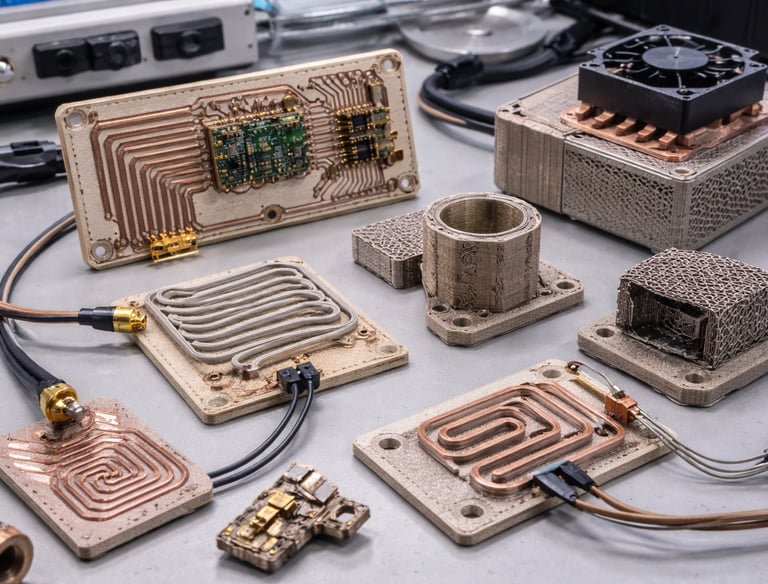
Electrifi™ conductive polymer composites enabling printed electronics, EMI shielding, and functional components. Built for applications where conventional conductive plastics fall short.
Conductive
Enables plastics to carry real electrical current, not just signals.
Designed for additive manufacturing and scalable production across multiple thermoplastics.
Maintains ease of processing, mechanical durability, and stable performance.
Versatile
Reliable
Why Most Conductive Plastics Fall Short?
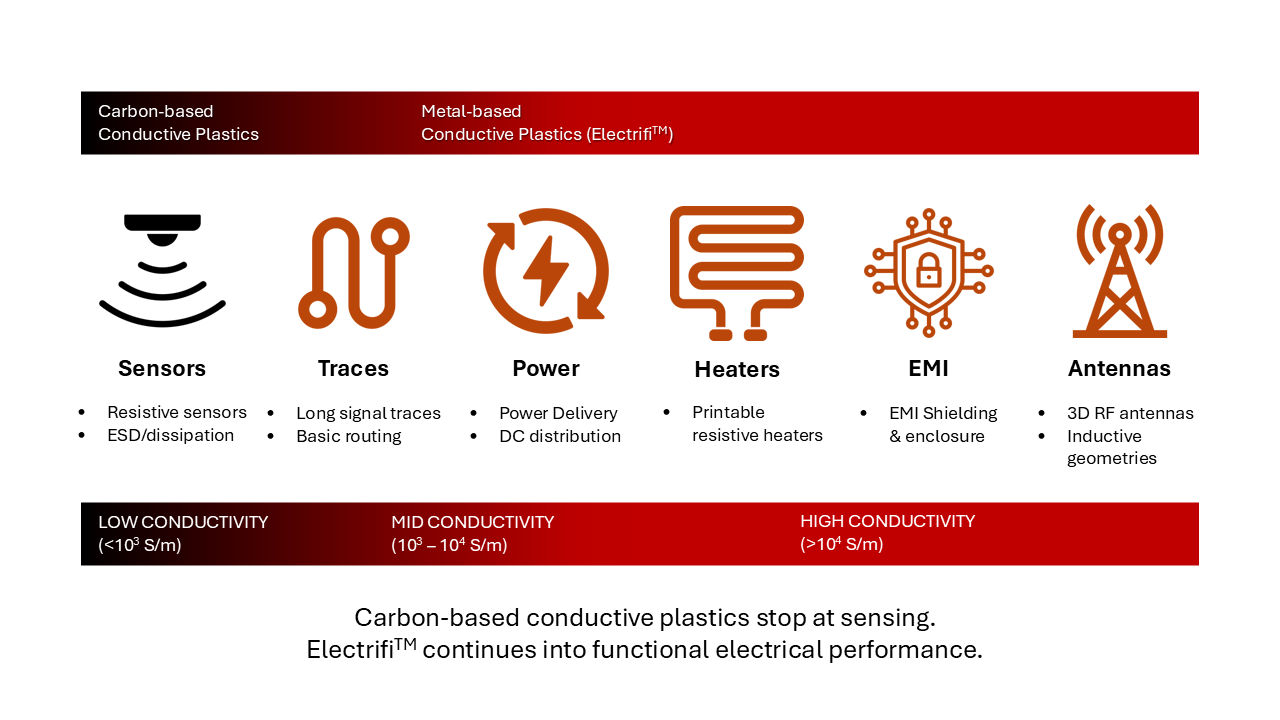
Most commercially available conductive plastics are designed for sensing and static dissipation, not for carrying real electrical current or enabling functional electronics.
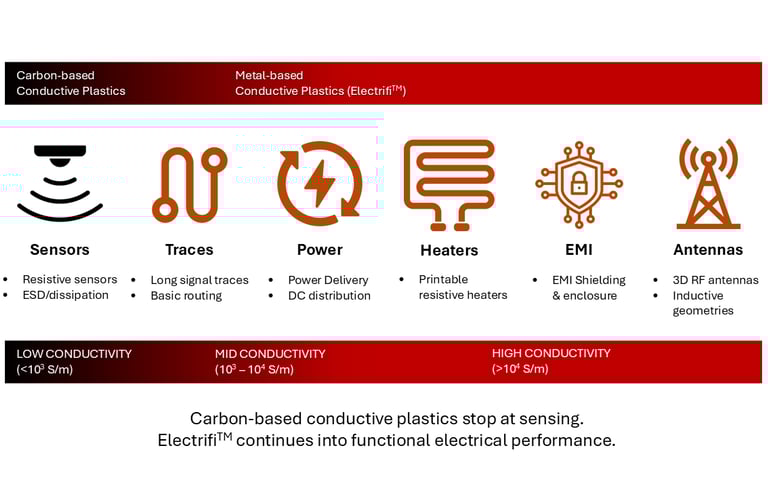
Conventional conductive filaments rely on carbon-based additives such as carbon black, carbon fiber, graphene, or CNTs. While suitable for basic sensing and ESD applications, these materials suffer from high resistivity, voltage drop over distance, and limited current-carrying capability—making them unsuitable for power delivery, heaters, EMI shielding, or long conductive paths.
A Fundamentally Different Approach to Conductivity
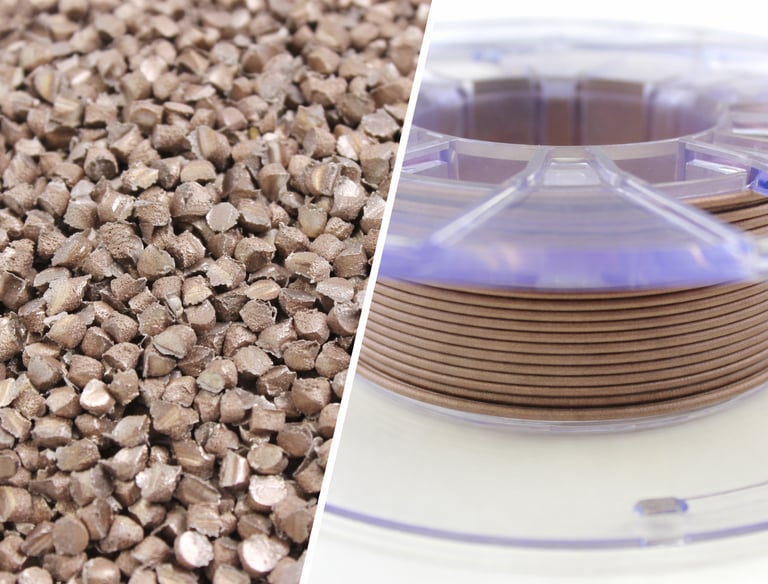
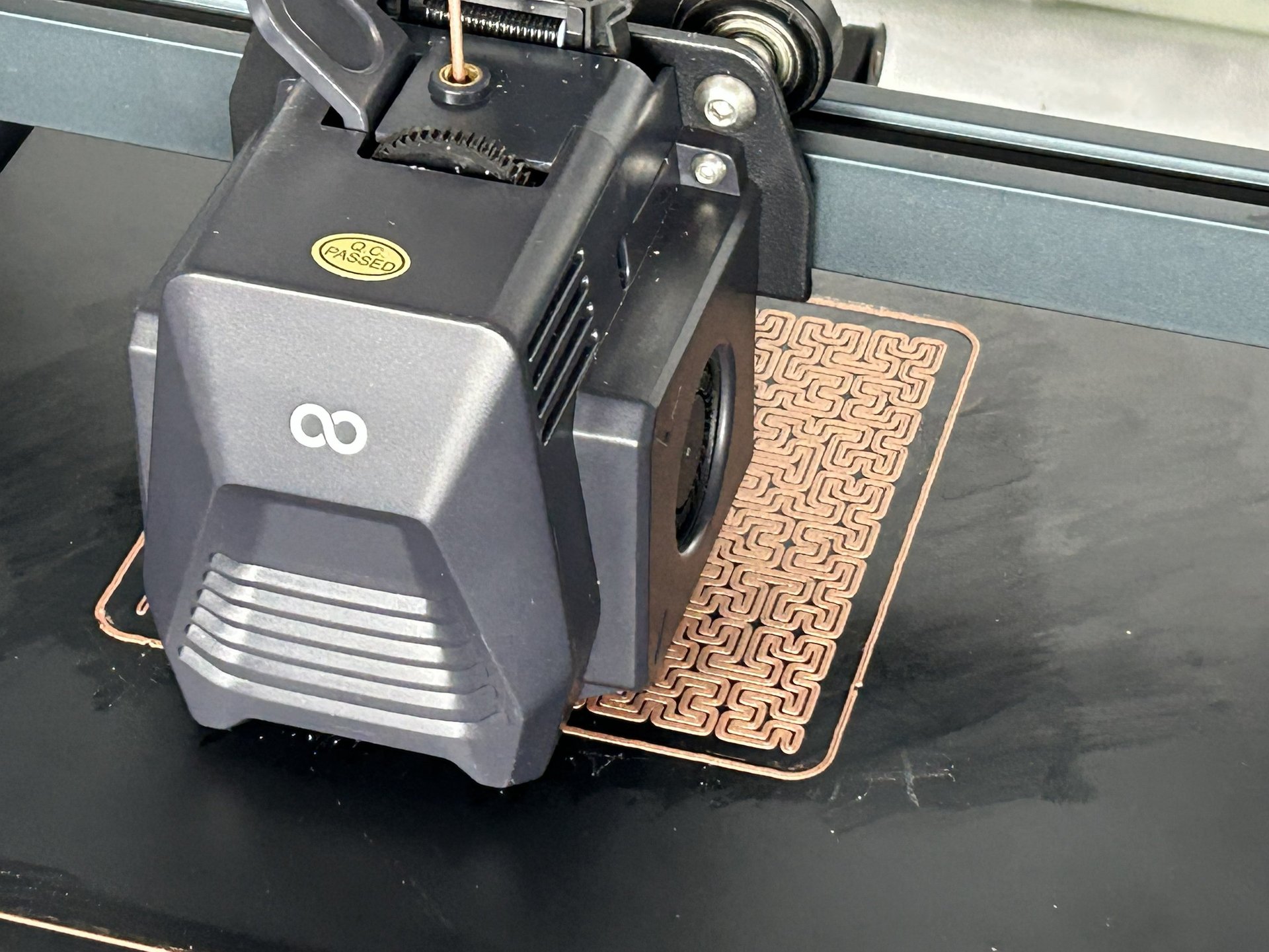
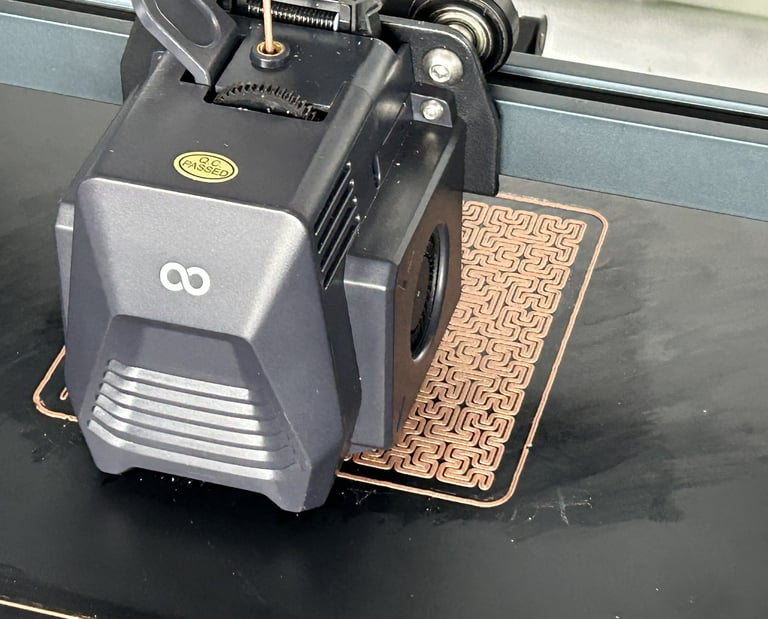
Multi3D’s core technology replaces carbon-based conduction with interconnected copper conductive particles embedded in thermoplastic matrices, enabling orders-of-magnitude higher electrical conductivity while preserving the processability of plastics.
Metal-Like Conductivity
Designed for Additive Manufacturing
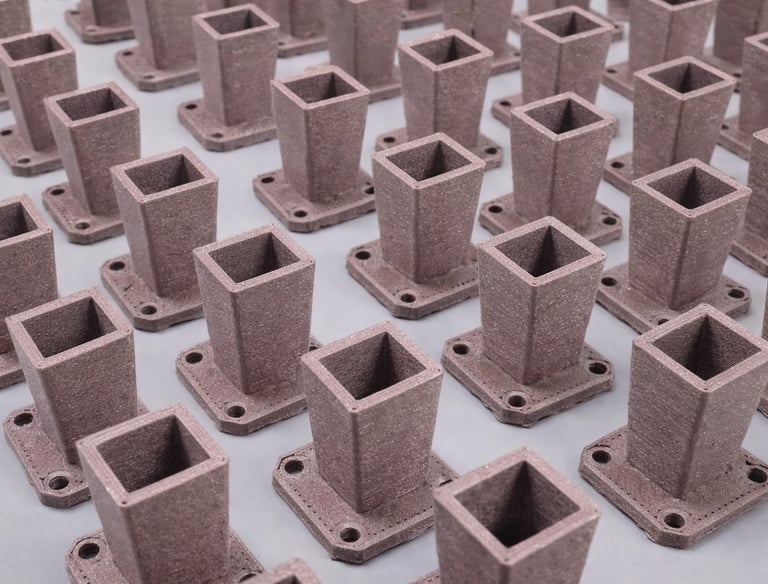
Conductive materials optimized for FFF printers, pellet extrusion systems, and injection molding, delivering consistent electrical performance across manufacturing methods.
Scalable compounding, consistent filament quality, and production-ready formulations.
From Prototype to Production
Application-Driven Development
Materials tailored for printed electronics, heaters, EMI shielding, and functional components.
Copper-based Electrifi™ polymer composites with interconnected metal networks delivering conductivity up to ~10⁵ S/m.


filament2print
Pol. Ind. Porto do Molle. Nave 7A
Nigrán, (Pontevedra), 36350
Spain
Telephone: (+34) 886 317 697
PLABS
Bucheon Techno Valley U1 Center,
92, Jomaru-ro 385beon-gil, Wonmi-gu,
Bucheon-si, Gyeonggi-do, 14558
South Korea
Telephone: 010-2133-3040
Frequently asked questions
What is Electrifi conductive filament?
Electrifi is a highly electrically conductive filament for FFF/FDM 3D printing. It is based on a metal–polymer composite in which conductive metal particles form interconnected pathways within a thermoplastic matrix. This structure enables electrical conductivity that is orders of magnitude higher than conventional conductive plastics.
How conductive is Electrifi?
Electrifi materials can reach electrical conductivity up to approximately 100,000 S/m depending on formulation.
How much does it cost?
Two main conductivity grades are currently available:
Electrifi 1000
conductivity ~1,000 S/m
Electrifi 10000
conductivity ~10,000 S/m
These materials are designed for a range of conductive 3D printing applications.
What spool sizes are available?
Electrifi is typically supplied in 100 g spools, which are well suited for research, prototyping, and printed electronics applications where only small quantities of conductive material are required.
What printers are compatible with Electrifi?
Electrifi can be printed on most standard FFF/FDM 3D printers.
Printers with the following features generally produce the best results:
direct drive extruders
adjustable filament tension
dual-gear extrusion mechanisms
Many users successfully print Electrifi on printers such as:
Prusa
Elegoo Neptune series
Creality
Raise3D
Where can I get technical support or learn more?
Additional information about Electrifi can be found through the Multi3D website and the Electrifi Research Spotlight series.
For technical questions or project discussions, contact:
hello@multi3dmaterials.com
What extruder setup works best for printing Electrifi?
Electrifi prints most reliably with direct drive extruders.
Recommended features include:
adjustable filament tension
dual-gear drive mechanisms
stable filament feeding
These features help reduce slipping or grinding during extrusion.
Can Electrifi be used in multi-material printing?
Yes. Electrifi works well in multi-material printing.
Printers with independent extruders are preferred, including:
IDEX printers (Independent Dual Extruder)
printers with multiple independent print heads
Independent extruders help prevent cross-contamination between Electrifi and insulating materials.
What materials can be printed together with Electrifi?
Electrifi can be printed alongside common thermoplastics such as:
PLA
PETG
ABS
PE/PP (with Conductive PE)
This enables printing of conductive features within structural plastic parts.
What are the recommended printing settings?
Typical starting parameters include:
nozzle temperature: 160–180 °C
bed temperature: <50 °C
print speed: 10–30 mm/s
nozzle diameter: ≥ 0.4 mm
layer height: 0.2–0.3 mm
Optimal settings may vary depending on printer and part geometry.
What nozzle should I use?
Electrifi is less abrasive than many carbon-based conductive filaments, but because it contains metal particles, a hardened steel nozzle is recommended for long-term printing.
Standard brass nozzles can be used for shorter print runs.
Is Electrifi flexible or brittle?
Electrifi is relatively flexible compared to many highly filled conductive materials, due to the thermoplastic matrix used in the composite.
How should Electrifi filament be stored?
Store Electrifi in a dry environment and keep it sealed when not in use.
What are the operating temperatures of Electrifi materials?
Operating temperature depends on the polymer system:
Electrifi polyester version
thermally stable up to approximately 55 °C
Electrifi conductive PE version
thermally stable up to approximately 100 °C
What resistance should I expect from a printed trace?
Electrical resistance depends on:
trace length
trace width
trace thickness
print orientation
Increasing cross-sectional area reduces resistance.
How do I measure the conductivity of Electrifi prints?
Conductivity can be measured using:
four-point probe
multimeter with known geometry
Applying conductive paste or silver paint at contact points can reduce measurement error.
Why is my printed part less conductive than expected?
Possible causes include:
extrusion temperature too high
bed temperature too high
poor layer bonding
thin conductive traces
low infill percentage
high contact resistance during measurement
Optimizing print settings and trace geometry can improve conductivity.
Testimonials
What Researchers and Engineers Are Saying
The goal of our collaboration with Multi3D will be to demonstrate and ultimately commercialize the next-generation electronic solution for our diverse customer base.
Victor



EMI Shielding results on the Electrifi™ product… The product is able to exceed 100dB. We consider anything above 80dB as an excellent EMI Shield. So your product performs very well in this regard!
Steve



I am personally very interested in technologies like yours…your product offering is quite impressive.
John